
A Minds at Peace Foundation programme
ABHI SE
Start the conversation. Start now.
ABHI SE is the foundation’s programme for early conversation and suicide-prevention awareness in South Asian communities, at home and across the diaspora. In Urdu and Hindi, abhi se means “from now”. It is also the name of Abhi, whose death by suicide led to the programme’s creation.
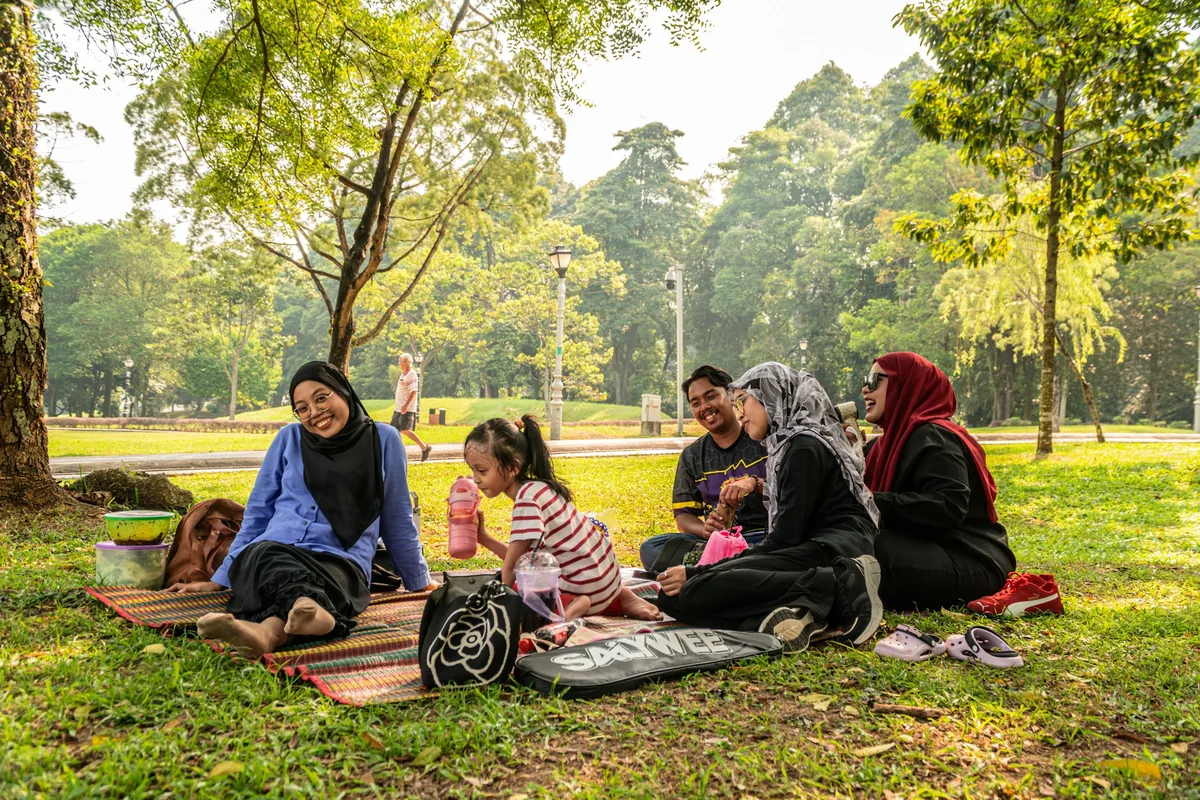
Too many conversations begin at crisis point.
In many South Asian families, the love and the worry are real, but the words for mental health are missing. Struggling quietly feels safer than being seen to struggle. Concern comes out as advice, or as silence.
ABHI SE moves the conversation earlier: before crisis, while there is still time to listen, to support, and to connect someone with help.
- Awareness and stigma reduction
- Early intervention and suicide-prevention awareness
- Youth mental health
- Culturally relevant education
- Routes to credible professional support
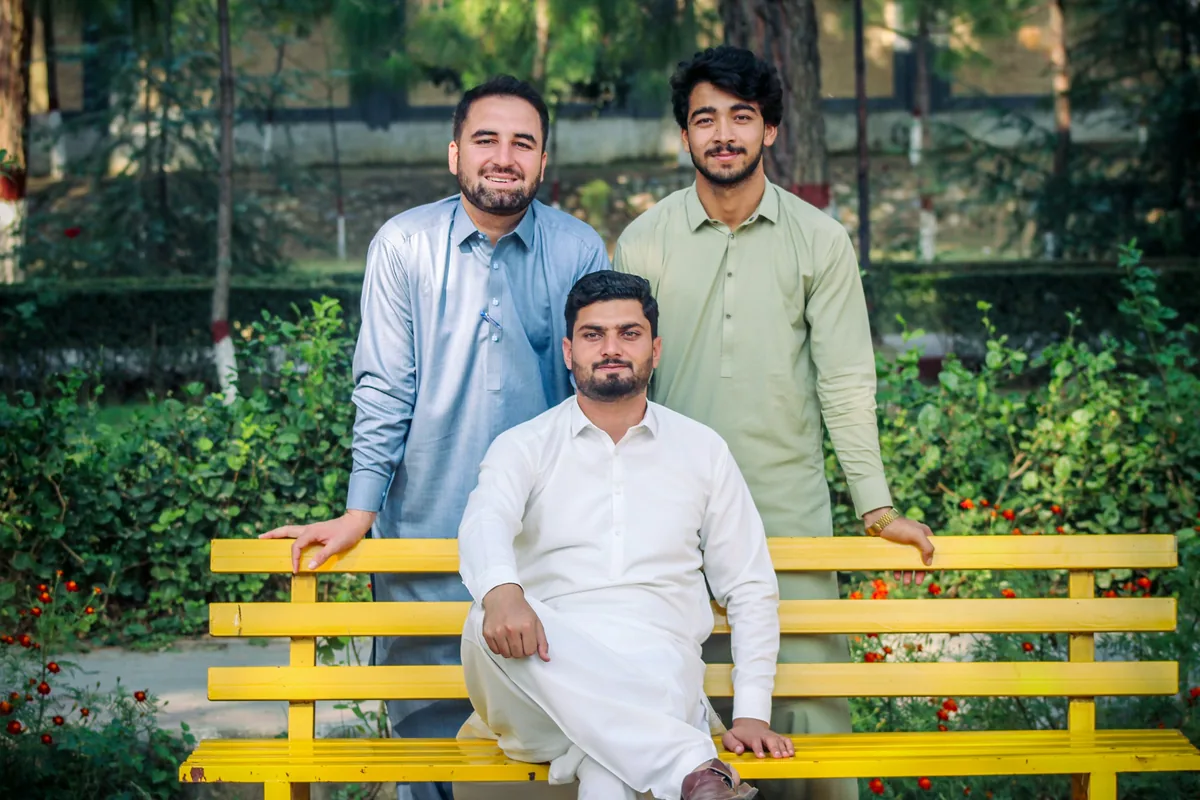
Start the conversation.
You do not need the perfect words.
- Choose a quiet moment and a private place.
- Ask an open question: “How have you really been?”
- Listen more than you speak. Do not rush to fix, judge or compare.
- Ask twice. The first answer is often “I’m fine”.
- Stay in touch afterwards.
Notice what changes.
- Withdrawing from friends, family or things they used to enjoy
- Changes in sleep, appetite or energy
- Seeming unusually low, anxious, irritable or flat
- Talking about feeling hopeless, trapped or like a burden
- Drinking or using drugs more than usual
- Saying goodbye, or giving away things that matter to them
If you are worried about someone, ask them directly. Asking whether someone is thinking about suicide does not put the idea in their head. It gives them permission to talk, and tells them you are ready to listen.
If they say yes, stay with them, listen, and help them contact support. If they are in immediate danger, contact emergency services.

If you are the one struggling.
Tell someone you trust: a friend, a family member, a teacher, a colleague, a faith leader, a GP or another health professional. If saying it out loud feels too hard, write it down or send a message.
Asking for help is an act of strength. ABHI SE connects people with credible, culturally aware professional support through our growing resource directory.

Understanding mental health should be part of growing up.
Young South Asians, at home and across the diaspora, carry pressures that are hard to name: exams and expectations, comparison online, identity, and life between more than one culture.
ABHI SE works with schools, universities, youth organisations and young people themselves on four things:
- The words for how we feel.
- The signs to notice in ourselves and our friends.
- Where to go for help, and how to ask.
- How to talk with parents across generations.
Wherever South Asian families live, the same silences follow.


From South Asia to the United Kingdom, North America, the Gulf and beyond, the unspoken rules travel well: keep it private, stay strong, think about what people will say. ABHI SE is shaped by language, faith, family and culture, for communities at home and abroad.
“Log kya kahenge?” What will people say? ABHI SE asks a different question: how are you, really?

No one should grieve alone.
Behind every death by suicide are families, friends and communities left with grief, and with questions that may never be answered. In many communities, that grief is carried in silence.
ABHI SE creates careful, responsible spaces to remember the people we have lost and to support those left behind.

In memory
Named for Abhi
ABHI SE is named in memory of Abhi, an artist and a close friend of those who established Minds at Peace Foundation. He died by suicide.
The programme is the foundation’s response to his loss: a commitment to earlier conversations, so that fewer families are left with the same questions.
Need help now?
If you are in immediate danger
If you or someone else is in immediate danger, contact your local emergency services now.
United Kingdom
- 999Emergency services, if a life is at risk.
- 111NHS 111. Choose the mental health option for urgent help.
- 116 123Samaritans. Free, 24 hours a day, 365 days a year.
- Text SHOUT to 85258Shout. Free, confidential, 24/7 text support.
Pakistan
- 1122Rescue 1122 emergency service.
India
- 14416 or 1-800-891-4416Tele-MANAS, the national mental-health helpline. Free, 24/7, in multiple languages.
Minds at Peace is an awareness, advocacy and support-access organisation. It is not an emergency service and does not replace qualified medical or mental-health professionals.
For non-emergency concerns, consider speaking with a qualified mental-health professional. We add numbers only after checking them with the service, and our list grows as our resource directory develops.
UK numbers checked with Samaritans, the NHS and Shout. Rescue 1122 checked with the Punjab Emergency Service. Tele-MANAS checked against Government of India sources. October 2026.