A Minds at Peace Foundation programme
NIDA
نداءنداA call
Often the first person a family turns to.
Nida means “a call” in both Arabic and Urdu: a call for help, and the first call a family makes. In Arab and South Asian communities, that first conversation often happens not in a clinic but in a mosque, temple, gurdwara or church, or in an elder’s front room. NIDA equips faith and community leaders to recognise the signs, respond with care, and connect people with professional support.
For every faith, and for community leaders of none.
Why it matters
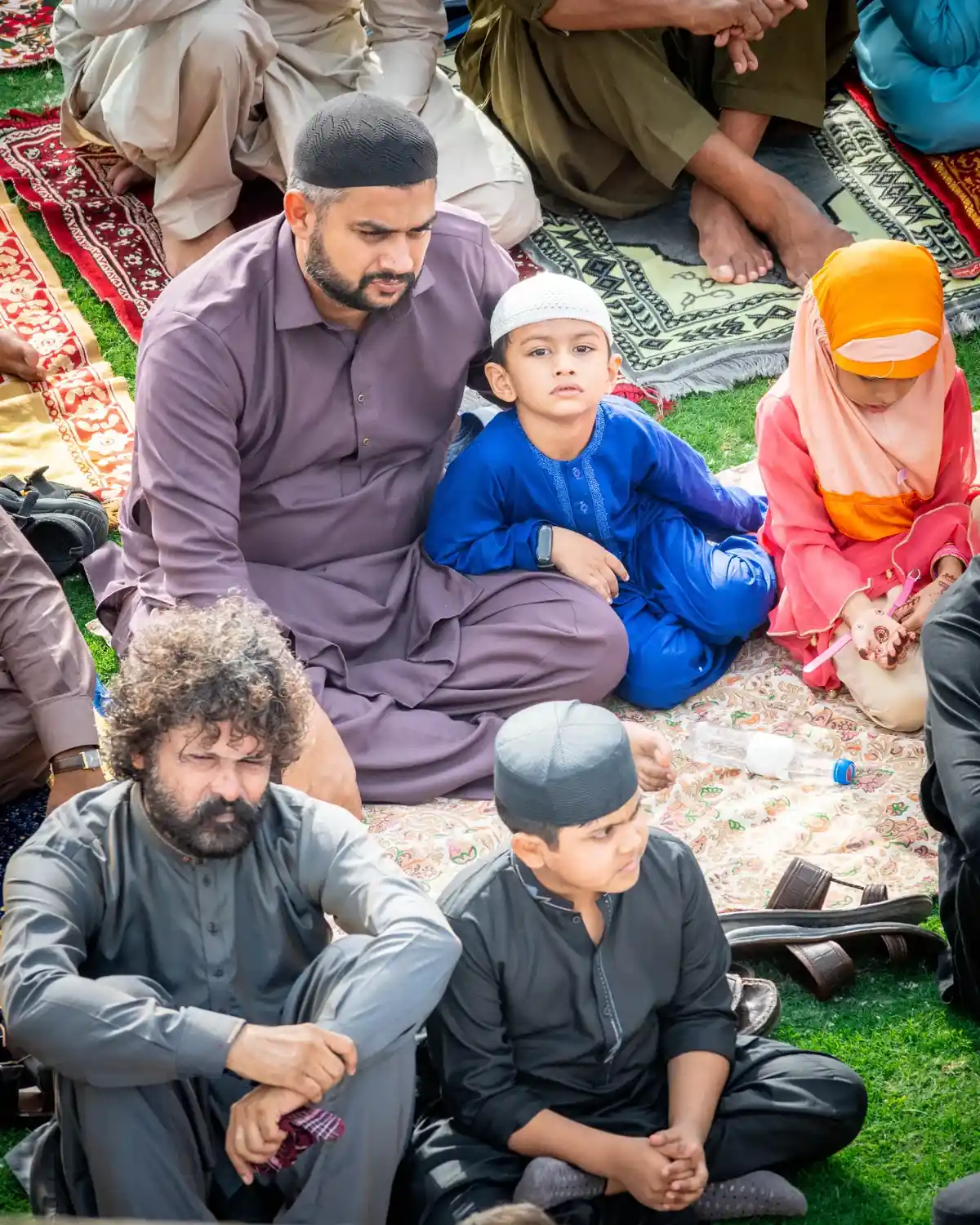
The first conversation rarely happens in a clinic.
When something is wrong, many families go first to the mosque, the temple, the gurdwara, the church or the elder everyone trusts. Those leaders carry enormous trust and, usually, no training in mental health. What they say in that first conversation can open the door to care, or keep it closed for years.
Our vision
Faith and care, side by side.
Every faith and community leader able to recognise when someone is unwell, respond with care and refer with confidence, so that no one has to choose between their faith and their treatment.
Available now
- When someone comes to you. A one-page guide for faith and community leaders: what depression and crisis look like, what to say, what not to say, and when and where to refer.
- Briefings for leaders. Forty-five minutes, online and free, led by our clinical team. Leaders bring the questions.
- A poster for places of worship and community centres. A QR code that opens the support numbers for wherever it is scanned.
In development
- Training for faith and community leaders. A full course in community languages, built with leaders from each tradition and with qualified clinicians.
- Local referral links. Each leader connected to a named service nearby, so “see someone” has someone behind it.
- Talks and sermon notes. Material on mental health that leaders adapt within their own tradition, written with scholars of that tradition.
- Bereaved by suicide. Supporting leaders and communities through the funeral, the prayers and the years after.
- When care is delayed. For the times an illness is explained only in spiritual terms, so that spiritual and medical care go together, and people are kept safe from harmful practices.
- Women’s circles. With women scholars and community leaders.
- Youth and religious education. For the teachers and youth workers who see young people every week.
- Festival and fasting seasons. Ramadan, Diwali, Christmas and others, when loneliness, family pressure and medication questions peak.
Who we work with
- Imams and mosque committees
- Priests, pandits and temple communities
- Granthis and gurdwara committees
- Church leaders and pastors
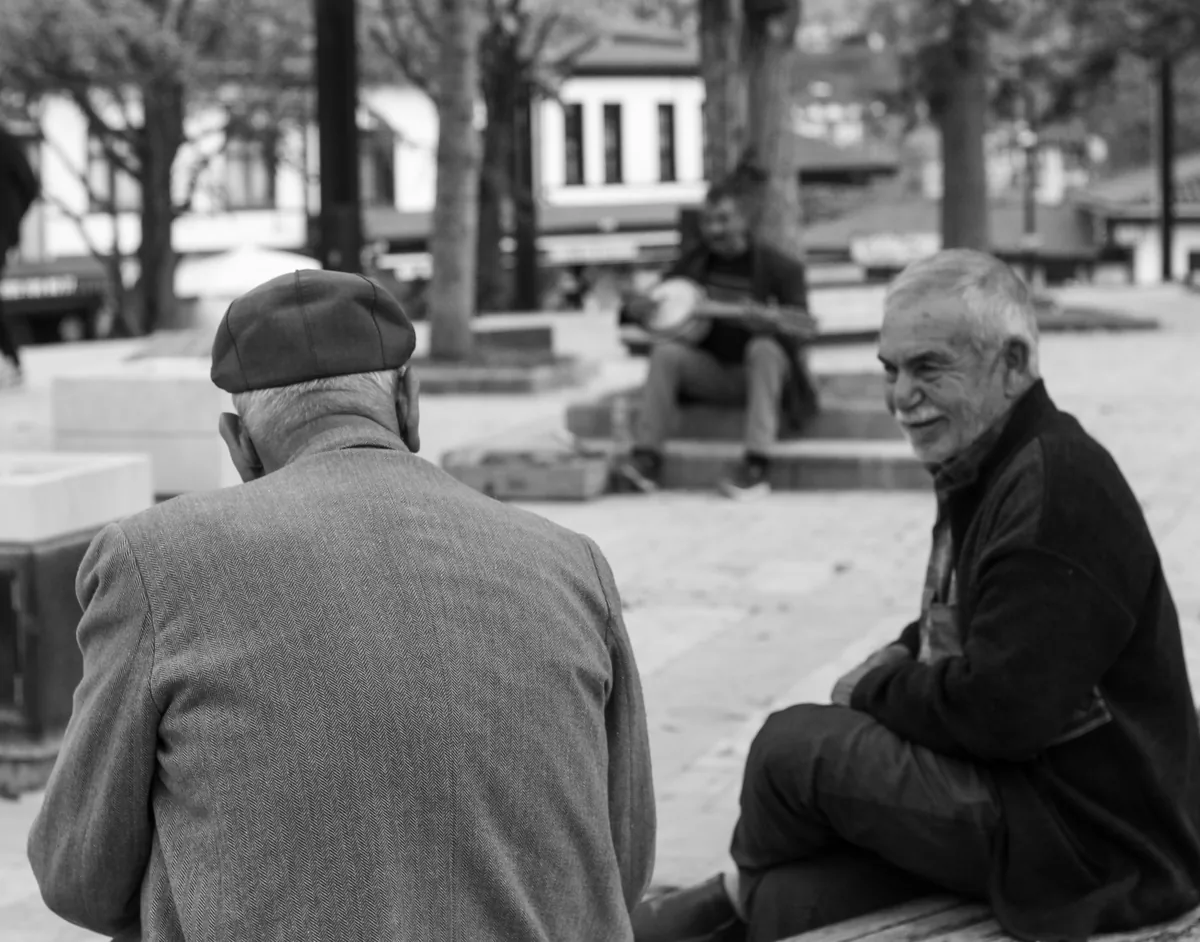
- Elders, community workers and youth leaders
- Community centres and faith-based charities
How we work
- Respect for faith. NIDA takes no theological position. It works with communities of every faith and of none.
- Professional partnership. Every training module is developed with qualified clinicians.
- Clear limits. Leaders are trained to recognise, respond and refer, not to diagnose or treat.
Faith and professional care are not alternatives. NIDA helps them work together.
Bring NIDA to your community.
If you lead or serve a faith or community organisation, we would like to work with you.
Need help now?
If you are in immediate danger
If you or someone else is in immediate danger, contact your local emergency services now.
Take the self-checkNine private questions about your mood. Your answers stay on your device.
United Kingdom and Europe
United Kingdom
- 999Emergency services, if a life is at risk.
- 111NHS 111. Choose the mental health option for urgent help.
- 116 123Samaritans. Free, 24 hours a day, 365 days a year.
- Text SHOUT to 85258Shout. Free, confidential, 24/7 text support.
Ireland
France
Germany
- 112Emergency services.
- 0800 111 0 111TelefonSeelsorge.
Italy
- 112Emergency services.
- 02 2327 2327Telefono Amico.
Spain
Netherlands
Belgium
- 112Emergency services.
- 1813Zelfmoordlijn.
- 0800 32 123Centre de Prévention du Suicide.
Switzerland
Luxembourg
Sweden
Poland
Middle East and North Africa
Bahrain, Oman, Kuwait, Jordan and Turkey: no dedicated national line confirmed; emergency number shown.
Saudi Arabia
United Arab Emirates
- 800 725462 (800-SAKINA)Abu Dhabi Department of Health. 24 hours, Arabic and English.
- 800 506 (Itma’en)Dubai. Free, daily 9am to midnight, Arabic and English.
- 999 police, 998 ambulanceIf a life is at risk.
Qatar
Bahrain
- 999Emergency services.
Oman
- 9999Emergency services.
Kuwait
- 112Emergency services.
Jordan
- 911Emergency services.
Turkey
- 112Emergency services.
Lebanon
- 1564Embrace Lifeline.
Egypt
South Asia
Pakistan
- 1122Rescue 1122 emergency service.
- 0311 7786264Umang. 3pm to 11pm.
India
- 112Emergency services.
- 14416 or 1-800-891-4416Tele-MANAS, the national mental-health helpline. Free, 24/7, in multiple languages.
Bangladesh
- 999Emergency services.
- 09612 119911Kaan Pete Roi.
Sri Lanka
- 1926National mental health helpline.
Nepal
- 1166Suicide prevention helpline.
Africa
The Americas
Asia Pacific
Japan
- 119Emergency services.
- 0120 279 338Yorisoi Hotline.
South Korea
China
Hong Kong
Singapore
Malaysia
Indonesia
Philippines
Australia
New Zealand
Minds at Peace is an awareness, advocacy and support-access organisation. It is not an emergency service and does not replace qualified medical or mental-health professionals.
For non-emergency concerns, consider speaking with a qualified mental-health professional. We add numbers only after checking them with the service, and our list grows as our resource directory develops.
UK numbers checked with Samaritans, the NHS and Shout. Rescue 1122 checked with the Punjab Emergency Service. Tele-MANAS checked against Government of India sources. UAE, Saudi Arabia and Qatar numbers checked against the Abu Dhabi Department of Health, Dubai Health, the Saudi Ministry of Health and Hamad Medical Corporation. All other numbers verified against official and helpline sources. October 2026.